For importers and distributors, the hardest part of buying temperature-sensitive medicines from India is rarely the purchase order. It is keeping every carton inside its labelled temperature range from the factory door to your warehouse. Cold chain logistics for pharmaceuticals is the set of packaging, monitoring and documentation steps that makes this possible, and it decides whether a shipment arrives usable or has to be rejected at the port.
This guide explains how cold chain export from India works, what to agree with your supplier, and which documents to ask for before the first consignment leaves.
Key takeaways
Agree the storage range for each product (for example 2–8 °C or 15–25 °C) in writing before booking freight.
Choose packaging and transport mode together: validated passive boxes suit air freight, reefer containers suit larger sea shipments.
Insist on a temperature data logger in every shipment and a clear rule for what happens after an excursion.
Plan customs clearance at destination in advance; most cold chain failures happen while goods wait on the ground.
The cold chain logistics pharmaceuticals buyers should expect
Many generic medicines are stable at controlled room temperature, but some need refrigeration or a tightly controlled range throughout storage and transport. Vaccines, insulin, some injectables, eye drops and certain biologics are typical examples. For these products the cold chain is not an extra service; it is part of product quality.
For an export buyer, a working cold chain has four parts: the right storage at the manufacturer, packaging qualified for the route, monitored transport, and fast handling at the destination airport or port. A weak link in any one of them can make the whole consignment unusable.
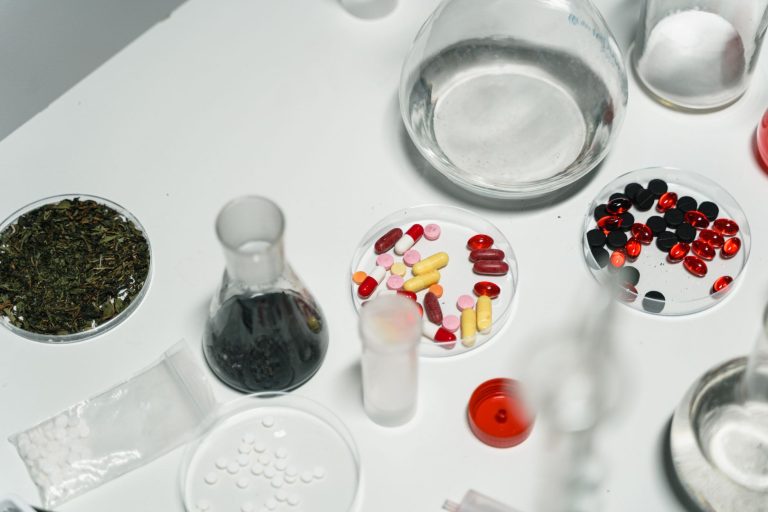
A calibrated logger gives the importer proof that the product stayed in range. · Photo: Anna Shvets / Pexels
Common temperature ranges and how they are shipped
Range
Typical products
Usual transport
2–8 °C (refrigerated)
Vaccines, insulin, many injectables
Validated passive boxes by air, or active containers
15–25 °C (controlled room temperature)
Many tablets, capsules, creams
Insulated packaging, temperature-controlled trucks or reefers
Below 0 °C (frozen)
Selected biologics
Specialist frozen shipping with dry ice
The exact range always comes from the product label and its stability data, not from the freight forwarder. Ask your supplier to confirm it for every product line before quotations are compared.
Packaging, transport and monitoring
Passive or active packaging
Passive packaging uses insulated boxes with gel packs or phase-change material, qualified to hold a range for a set number of hours. It is common for air freight of smaller volumes. Active containers have their own cooling unit and are used for larger or longer shipments.
Air or sea
Air freight is faster and suits refrigerated products with short transit windows. Sea freight in reefer containers can work well for controlled room temperature products in volume, provided the container is pre-cooled and monitored for the whole voyage.
Data loggers
Every cold chain shipment should travel with at least one calibrated data logger. The temperature record is your evidence at receipt: without it, you cannot prove the product stayed in range.
💡
Plan the last mile first
Most temperature excursions happen while cargo waits at the destination airport or port. Arrange customs documents, a clearing agent and cold storage at arrival before the goods are dispatched.
Documents to request for a cold chain consignment
CoACertificate of AnalysisFor each batch, against the agreed specification.
GMPGMP certificateCurrent certificate for the manufacturing site.
CoPPCertificate of Pharmaceutical ProductIn the WHO format, where your regulator requires it.
LOGTemperature recordData logger report for the full journey.
PKGPackaging qualificationSummary of how the shipper box or container was validated for the route.
The World Health Organization publishes guidance on the storage and transport of time- and temperature-sensitive pharmaceutical products, which many regulators use as a reference. It is a useful checklist when you review a supplier’s process.
What to agree with your supplier before the first shipment
Product list and ranges: storage condition for each item, taken from the label and stability data.
Packaging and route: which shipper or container, which airport or port, and expected transit time.
Monitoring: number and position of data loggers, and who reads them at receipt.
Excursion rule: what counts as a deviation and how it is investigated and settled.
Destination handling: your clearing agent, cold storage and inland transport.
Documents: the full set above, sent before the goods arrive.
Our cold chain shipping for pharmaceuticals service covers temperature-controlled export from India, from packing to dispatch documents. For buyers who combine refrigerated items with regular stock, our bulk supply for distributors keeps both on one order and one set of paperwork.
Planning a temperature-controlled order?
Share your product list, destination country and preferred route. Our export team will reply with the cold chain options and documents for each item.
Booking freight before confirming each product’s storage range.
Using packaging qualified for a shorter transit time than the real route.
Shipping on a Friday into a country where customs closes for the weekend.
No agreed rule for excursions, so every deviation becomes a dispute.
Moving goods to an uncontrolled warehouse after clearance.
Frequently asked questions
Which medicines need cold chain shipping?
Products labelled for refrigerated or tightly controlled storage, such as vaccines, insulin and some injectables. The label and stability data decide, product by product.
Is air freight always required for refrigerated products?
Not always. Air is common for smaller volumes, while larger shipments can use monitored reefer or active containers, depending on the route and transit time.
What happens if a temperature excursion is recorded?
The data logger report is reviewed against the product’s stability data and the rule you agreed in advance, then a decision is made on release or replacement.
Can cold chain and room-temperature products ship together?
They can be on the same order, but they usually travel in different packaging or containers, each qualified for its own range.
Export documentation, regulatory and supply specialists at Vinix BioPharma, a WHO-GMP generic medicines manufacturer and exporter from Mumbai, India, serving importers, distributors and tender buyers in Latin America, Africa and the CIS.
Sourcing generics from India?
Tell us your products and destination country. Our export team replies with documents and shipping options. B2B enquiries only.