Pharmaceutical contract manufacturing lets an importer, distributor or pharmacy chain abroad put its own brand on medicines made in a licensed Indian plant, without building a factory. For buyers in Latin America, Africa and Asia, the model only works when the manufacturer, the documents and the registration plan are chosen together. This guide explains the steps, the paperwork and the checks that matter before you sign.
How Pharmaceutical Contract Manufacturing Works for Export Buyers
Key takeaways
Contract manufacturing gives you your own brand and dossier, not just a product on a shelf.
Ask for CoPP, WHO-GMP and a CTD-format dossier before you commit to a molecule.
Stability data for hot, humid climates (Zone IVb) is essential for tropical markets.
Plan registration time into your launch: many health authorities take months to approve.
In a typical arrangement, the buyer owns the brand name, the artwork and the market authorisation, while the Indian partner owns the plant, the manufacturing licence and the quality system. Vinix BioPharma coordinates pharmaceutical contract manufacturing in India with certified plants, so the buyer deals with one export partner instead of several factories.
Most projects follow the same sequence:
Product selection: molecule, strength, dosage form and pack size that your market actually registers and uses.
Feasibility: the plant confirms it holds the product licence, the equipment and the approved suppliers for raw materials.
Dossier and samples: you receive the technical dossier and samples for registration or tender submission.
Artwork approval: labels and leaflets are prepared in your language and to your authority’s rules.
Commercial batch: production, QC release, export packing and shipping documents.
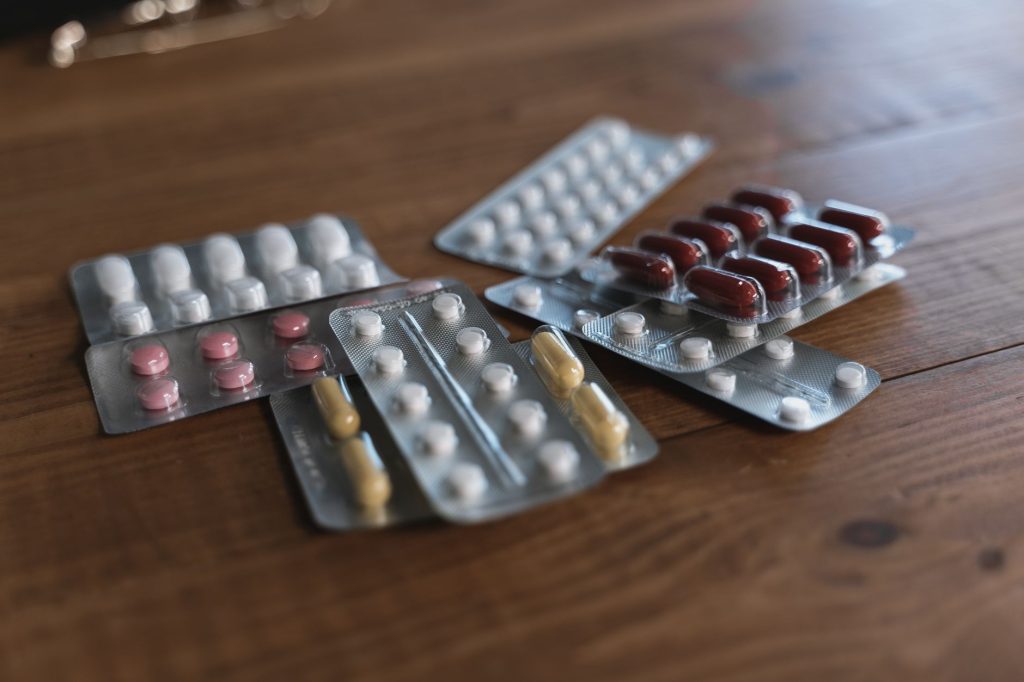
Operators running a tablet blister line in a pharmaceutical contract manufacturing plant (2) · Photo: SHVETS production / Pexels
Contract Manufacturing or Ready Stock: Which Fits Your Business?
Not every buyer needs its own brand. The table compares the two common sourcing routes.
Point
Contract manufacturing (own brand)
Ready stock (manufacturer’s brand)
Brand ownership
Yours, in your registration
Belongs to the manufacturer
Registration holder
Usually you or your local agent
Usually the manufacturer’s agent
Minimum order
Batch-size based
Smaller, from available stock
Lead time
Longer (artwork + production)
Shorter
Long-term value
Builds your own portfolio
Depends on the supplier
Export Documents a Contract Manufacturer Should Provide
Registration teams in Brazil, Colombia, Peru, Mexico, Nigeria or Kenya ask for similar core documents. Check that your partner can supply them before production starts.
CoPPCertificate of Pharmaceutical ProductWHO-format certificate issued by the Indian regulator for the specific product.
GMPWHO-GMP certificateConfirms the site follows good manufacturing practice for that dosage form.
CTDDossier in CTD formatQuality, manufacturing and stability data arranged the way most authorities expect.
COACertificate of AnalysisBatch test results against the agreed specification.
FSCFree Sale CertificateShows the product is legally sold in the country of origin.
💡
Note
Some authorities, such as ANVISA in Brazil or COFEPRIS in Mexico, may require a site inspection or extra local testing. Ask early, because this changes your launch date.
Quality Checks Before Signing a Manufacturing Agreement
A good price on paper means little if the batch fails at the border. These four checks protect you.
Licences and site approvals
Confirm the plant’s state manufacturing licence covers your exact product and that the site is WHO-GMP certified. Licence details can be cross-checked with the Indian regulator, the Central Drugs Standard Control Organisation.
QC laboratory capacity
Ask whether the plant tests in-house with HPLC, dissolution and microbiology, and how long batch release takes. A strong QC lab shortens your lead time.
Stability for your climate
Tropical markets need long-term stability data at 30°C and 75% relative humidity. Without it, many registrations stall.
Quality agreement and change control
A written quality agreement should say who approves changes to suppliers, process or packaging, and how deviations and complaints are handled.
Data integrity and batch records
Ask whether laboratory software keeps active audit trails, whether every analyst has a personal login and how batch records are issued and reviewed. Health authorities rely on this data when they assess your dossier, so weak record-keeping at the plant becomes a risk to your own registration.
Planning Registration and Launch in Latin America and Africa
Treat registration as part of the manufacturing project, not a step after it. Start with molecules that are already on your country’s essential medicines list and that your partner already makes with full documentation. You can review the current range of tablets, capsules, injections and liquids in the Vinix product portfolio and shortlist products with ready dossiers. Agree on artwork in Spanish, Portuguese, French or English early, and keep the first order to a batch size that lets you test demand without overstocking.
It also helps to agree on the commercial basics in the first purchase order: minimum remaining shelf life on arrival, shipping mode, pre-shipment document review and who arranges any local testing. Buyers who settle these points early usually see their first shipment clear customs without surprises.
Planning your own-brand medicine range?
Share your target country, molecules and pack sizes, and our export team will check dossier and CoPP availability.
Export documentation, regulatory and supply specialists at Vinix BioPharma, a WHO-GMP generic medicines manufacturer and exporter from Mumbai, India, serving importers, distributors and tender buyers in Latin America, Africa and the CIS.
Sourcing generics from India?
Tell us your products and destination country. Our export team replies with documents and shipping options. B2B enquiries only.