Health care medical supplies only reach hospital shelves on time when documents, packaging and delivery plans line up before the order is placed. For importers, distributors and tender suppliers in Africa, Latin America and Asia, one missing certificate can hold a whole consignment at the port. This guide explains what institutional buyers check first and what a dependable Indian export partner should be ready to provide.
Key takeaways
Institutional buyers judge a supplier on paperwork and consistency before they compare anything else.
Hospital orders and government tenders follow different rules, so prepare documents for each route.
Agree packaging, labelling and minimum shelf-life in writing before production starts.
Plan delivery around the buyer’s receiving process, not only the shipping date.
Health Care Medical Supplies: What Institutional Buyers Expect
In export trade the phrase covers the regulated products that hospitals, clinics and public health programmes order in volume: medicines in common dosage forms, plus the related items a purchasing office lists in the same tender. What unites them is the buyer. Institutions order large quantities on a schedule, compare suppliers on paper, and expect the tenth consignment to match the first.
Vinix BioPharma supports hospitals and institutional importers through its health care medical supplies service, sourcing from certified manufacturers and handling export documentation, so the buyer deals with one accountable partner instead of several factories.
Public-sector buyers add another layer of rules. If you bid for ministry or state procurement, read how government supply orders are handled before you prepare your submission.
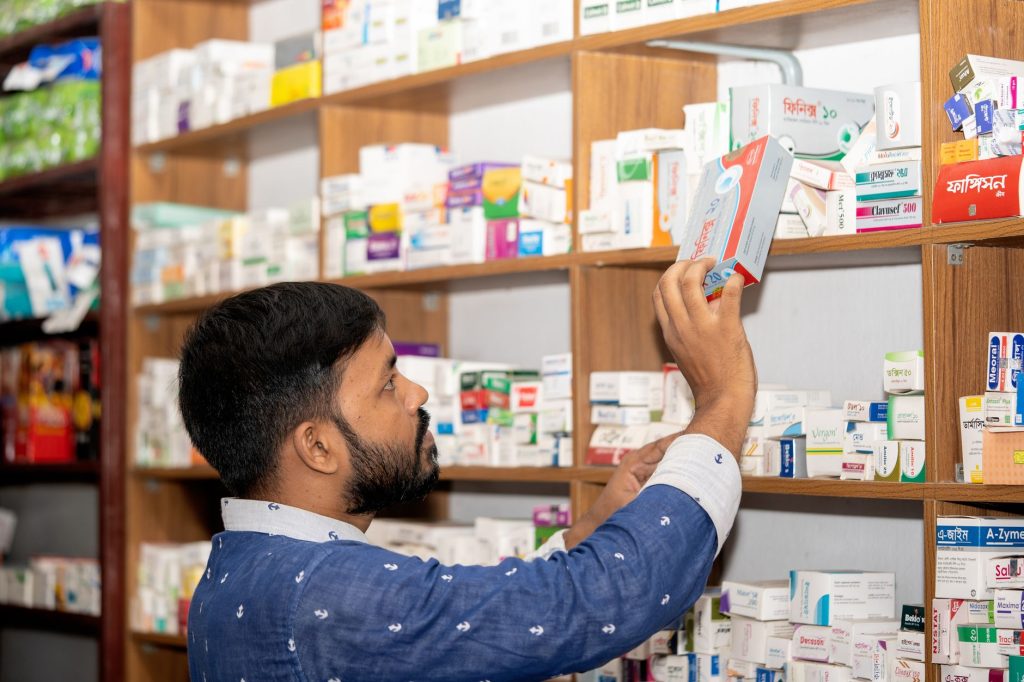
Storekeeper checking boxed health care medical supplies on hospital storeroom shelves (2) · Photo: Henrikas Mackevicius / Pexels
Hospital Orders and Public Tenders: How Requirements Differ
The same product can be bought through very different channels, and each channel asks for a different file. A private hospital group may care most about reliable replenishment and clear labelling. A ministry tender will care about eligibility, validity dates and strict delivery schedules.
Buyer
Main concern
Typical requirement
Private hospital group
Steady replenishment
Clear labelling, consistent batches, short lead time
Clinic or pharmacy chain
Flexible order sizes
Mixed cartons, fast restocking, readable pack information
Ask the buyer which route applies before you quote. A document pack built for a tender is usually stricter than a hospital needs, so it is safer to prepare the stricter version first and simplify it later.
Paperwork That Clears Hospital and Tender Reviews
Reviewers read the file before they read anything else. A complete, consistent set of documents shortens review time and signals that the supplier can be trusted with a recurring order.
LICManufacturing licenceLicence for the named plant, valid on the date of order
GMPWHO-GMP certificateEvidence that the site follows recognised quality standards
COACertificate of AnalysisBatch-wise test results supplied with every shipment
PLPacking list and invoiceBatch numbers and quantities that match the cartons
REGRegistration papersProduct approvals the importing authority expects
💡
Note
Requirements vary by country and by tender. Confirm the current list with the buyer or the national regulator, and share batch documents in advance.
Check that plant names, dates and batch numbers are identical across every file. Small mismatches are among the most common reasons a consignment is queried at customs or held at receiving.
If a buyer asks for a document you do not hold, say so early and explain when it can be supplied. Reviewers respond far better to an honest timeline than to a gap they discover themselves, and an early answer often keeps the file open instead of closing it.
Packaging, Labelling and Shelf-Life for Institutional Orders
Institutions store stock in central warehouses and issue it across many wards or sites, so packaging has to survive handling as well as transport. Ask the supplier how cartons are built, how they are labelled and how much shelf-life will remain on arrival.
What to agree before production
Label language and artwork approved by the buyer
Carton sizes that suit the buyer’s storage and handling
Minimum remaining shelf-life at dispatch
Batch and expiry dates printed clearly on every layer of packing
What to check on delivery
Compare batch numbers, expiry dates and quantities with the packing list before stock is released to wards or customers. Record any difference with photographs and report it to the supplier the same day.
Planning Deliveries Around Hospital and Tender Cycles
Procurement runs on calendars. Hospitals reorder when central stock reaches a set level, and tenders specify delivery windows that are hard to move. Build your supply plan backwards from the buyer’s receiving date. The World Health Organization publishes quality guidance that many buyers use as a neutral benchmark when they review a supplier.
Confirm the required delivery window and the receiving address.
Work out production, inspection and shipping time, then add a buffer.
Share draft documents with the buyer before dispatch.
Keep a named contact available during customs clearance.
Review the first two or three shipments together with the buyer. Real transit and clearance times are the best basis for planning the next order.
Supplying a hospital or a tender?
Share your target market and requirements and our export team will outline the documents, packaging and timelines.
What documents do hospitals ask for with a consignment?
Usually a manufacturing licence, a GMP certificate, a batch certificate of analysis, a packing list and invoice, and registration papers where required. The exact list depends on the buyer and the country.
Do government tenders need different paperwork from hospital orders?
Often yes. Tenders add eligibility, validity and delivery-schedule requirements, so a stricter document pack is the safer starting point.
How much shelf-life should remain on delivery?
There is no single rule. Agree a minimum remaining shelf-life in writing, based on how quickly the buyer issues stock.
Can one exporter handle documents for several manufacturers?
Yes. A single export partner that sources from certified plants keeps documents, consolidation and accountability in one place.
Export documentation, regulatory and supply specialists at Vinix BioPharma, a WHO-GMP generic medicines manufacturer and exporter from Mumbai, India, serving importers, distributors and tender buyers in Latin America, Africa and the CIS.
Sourcing generics from India?
Tell us your products and destination country. Our export team replies with documents and shipping options. B2B enquiries only.