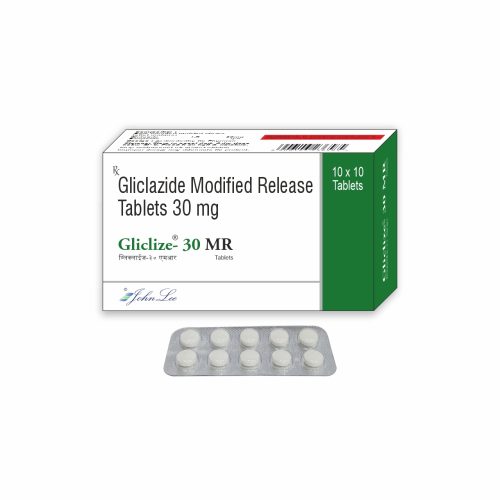
Gliclize M 30 MR – Gliclazide IP 30 Mg (Modified Release) + Metformin Hydrochloride IP 500 Mg (Sustained Release)
Gliclazide IP 30 Mg (Modified Release) + Metformin Hydrochloride IP 500 Mg (Sustained Release)
Exporter, Distributor Drop shipper to Russia, Brazil, Colombia, Latin America And East Asia
Gliclize M 30 MR contains Gliclazide IP 30 mg (Modified Release) and Metformin Hydrochloride IP 500 mg (Sustained Release), a dual-action antidiabetic medication indicated for the management of Type 2 Diabetes Mellitus. It helps improve glycemic control by stimulating insulin secretion, reducing hepatic glucose production, and enhancing insulin sensitivity for comprehensive diabetes management.
|
Contain |
Gliclazide IP 30 Mg (Modified Release) + Metformin Hydrochloride IP 500 Mg (Sustained Release) |
|---|---|
|
Strength |
30 Mg + 500 Mg |
|
Packaging |
10X10TAB |
|
Category |
Categories: Diabetic Care |
|
Manufacturer |
Johnlee Pharmaceuticals Pvt. Ltd |
|
Brand |
Gliclize |
Product Overview
Gliclize M 30 MR is a combination antidiabetic formulation containing Gliclazide IP 30 mg (Modified Release) and Metformin Hydrochloride IP 500 mg (Sustained Release), developed for the effective management of Type 2 Diabetes Mellitus. This dual-action therapy combines the insulin-secreting action of Gliclazide with the insulin-sensitizing and glucose-lowering effects of Metformin to provide comprehensive glycemic control.
The modified-release formulation of Gliclazide provides gradual insulin release throughout the day, while the sustained-release Metformin helps reduce hepatic glucose production, decrease intestinal glucose absorption, and improve insulin sensitivity. Together, these complementary mechanisms help maintain stable blood glucose levels, reduce postprandial glucose fluctuations, and support long-term diabetes management.
Gliclize M 30 MR is commonly prescribed when diet, exercise, or monotherapy alone does not provide adequate glycemic control. It may also help reduce the risk of long-term diabetes-related complications while offering the convenience of combination therapy with once-daily administration.
Manufactured under stringent pharmaceutical quality standards, Gliclize M 30 MR provides consistent efficacy, safety, and reliability, making it a trusted choice for healthcare professionals managing Type 2 Diabetes Mellitus.
How It Works
Gliclazide stimulates the pancreatic beta cells to release insulin, helping lower blood glucose levels. Metformin Hydrochloride reduces glucose production in the liver, decreases intestinal glucose absorption, and improves the body’s sensitivity to insulin. Together, these complementary mechanisms provide effective and sustained glycemic control while supporting overall metabolic health.
Therapeutic Applications
Gliclize M 30 MR may be prescribed for the management of:
- Type 2 Diabetes Mellitus
- Inadequately Controlled Blood Glucose Levels
- Long-Term Glycemic Management
- Combination Antidiabetic Therapy
- Patients requiring dual-mechanism glucose control
Key Benefits
- Dual-action therapy for effective blood glucose management.
- Combines Modified Release Gliclazide and Sustained Release Metformin.
- Helps maintain stable blood glucose levels throughout the day.
- Improves insulin secretion and insulin sensitivity.
- Convenient once-daily combination therapy.
- Manufactured under stringent pharmaceutical quality standards.
Quality Commitment
Vinix Biopharma is committed to delivering high-quality antidiabetic medicines manufactured in accordance with stringent pharmaceutical quality standards. Gliclize M 30 MR undergoes comprehensive quality assurance and rigorous testing to ensure safety, efficacy, consistency, and reliability. Every batch is carefully evaluated to maintain product integrity and support optimal patient care.
Storage Information
Store in a cool, dry place below 30°C. Protect from moisture and direct sunlight. Keep out of reach of children.
Disclaimer
Gliclize M 30 MR should be used only under the supervision of a qualified healthcare professional. Dosage and duration of treatment should be determined by the treating physician based on the patient’s clinical condition, medical history, and therapeutic requirements.