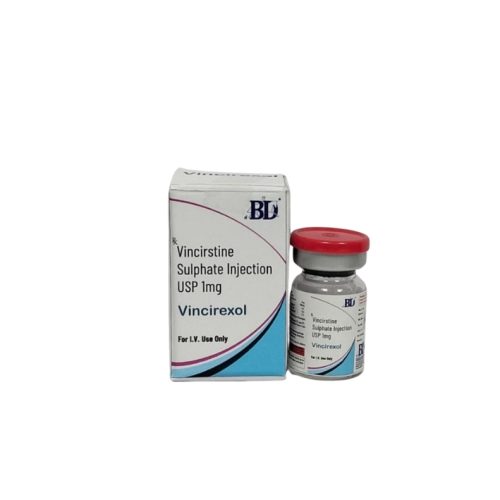
Vincirexol - Vincristine Sulphate

Vincirexol – Vincristine Sulphate

Vincristine Sulphate 1 Mg

Exporter, Distributor Drop shipper to Russia, Brazil, Colombia, Latin America And East Asia

Vincirexol contains Vincristine Sulphate 1 mg, a vinca alkaloid anticancer medication used in the treatment of various hematological malignancies and solid tumors, including acute leukemias, lymphomas, and pediatric cancers. It works by inhibiting cancer cell division, helping to control tumor growth as part of established chemotherapy treatment protocols.

Contain

Vincristine Sulphate 1 Mg

Strength

1 Mg

Packaging

1 Vial

Category

Categories:

Manufacturer

Baker & Davis Private Limited

Brand

Vincirexol

SEND US A MESSAGE

    CONTACT INFORMATION

    501, EAST BAY, BAYVUE, DR M B VELKAR MARG,
    KALBADEVI, MUMBAI-400002.

    +91 96531 13180

    sales@vinixbiopharma.com

    Do you have questions about how we can help your company? Send us an email and we’ll get in touch shortly.

    Product Overview

    Vincirexol contains Vincristine Sulphate, a vinca alkaloid chemotherapeutic agent widely used in the treatment of various hematological malignancies and solid tumors. It is an essential component of modern oncology treatment protocols and has been extensively utilized for decades in both adult and pediatric cancer care. Due to its proven clinical efficacy and established therapeutic profile, Vincristine Sulphate plays a vital role in comprehensive chemotherapy regimens worldwide.

    Administered under the supervision of qualified oncology specialists, Vincirexol is commonly used in hospitals, oncology centers, and specialized healthcare institutions. The medicine may be prescribed as a single agent or, more commonly, in combination with other anticancer medications to maximize therapeutic outcomes. Its broad range of applications makes it an important treatment option across multiple oncology indications.


    How It Works

    Vincristine Sulphate works by binding to tubulin proteins within cells and preventing the formation of microtubules required for cell division. This disruption arrests cancer cells during mitosis, preventing them from multiplying and ultimately leading to programmed cell death. Its selective action against rapidly dividing cells makes it an effective component of various chemotherapy protocols.


    Therapeutic Applications

    Vincirexol may be prescribed as part of treatment protocols for:

    • Acute Lymphoblastic Leukemia (ALL)
    • Hodgkin’s Lymphoma
    • Non-Hodgkin’s Lymphoma
    • Wilms’ Tumor
    • Neuroblastoma
    • Rhabdomyosarcoma
    • Multiple Myeloma
    • Small Cell Lung Cancer
    • Other hematological malignancies and solid tumors as determined by the treating oncologist

    The medicine is frequently incorporated into multi-drug chemotherapy regimens to improve treatment effectiveness and support comprehensive cancer management.


    Key Benefits

    • Vinca alkaloid-based anticancer therapy.
    • Widely used in established chemotherapy protocols.
    • Supports the treatment of hematological malignancies and solid tumors.
    • Helps inhibit cancer cell division and proliferation.
    • Suitable for combination chemotherapy regimens.
    • Manufactured under stringent pharmaceutical quality standards.

    Quality Commitment

    Vinix Biopharma is committed to delivering high-quality oncology products that meet rigorous pharmaceutical standards. Vincirexol is manufactured under controlled production environments and undergoes comprehensive quality assurance procedures to ensure consistency, safety, and reliability. Every batch is carefully tested to maintain product integrity and support effective patient care.


    Storage Information

    Store according to the instructions provided on the product label. Protect from excessive heat, moisture, and direct sunlight. Keep out of reach of children.


    Disclaimer

    Vincirexol should be administered only under the supervision of qualified oncology specialists and trained healthcare professionals. Dosage and treatment schedules should be determined by the treating physician based on the patient’s medical condition, clinical assessment, and approved treatment guidelines.